

Nervous System Regulation: Reverse Estrogen Dominance Symptoms


In a past appearance on the Manifest Daily podcast, Haley Fountain shared powerful insights about the crucial connection between nervous system regulation and hormonal health. Drawing from her expertise as an Integrative Nutrition Coach specializing in holistic hormones for women, Haley broke down why so many women struggle with estrogen dominance and how chronic stress is often the hidden culprit. Here, we're exploring the key strategies Haley discussed for reversing these symptoms through nervous system regulation.
Understanding Nervous System Dysregulation: Why Stress Puts You in Survival Mode
What is Nervous System Regulation?
Nervous system regulation is the process of intentionally shifting the body out of chronic survival mode and into a state of rest and repair. Many women ask 'what does nervous system regulation mean' and 'is nervous system regulation real?' The answer is yes - it's a scientifically-backed process that Haley has seen transform her clients' health.
The Difference Between a Tiger and Traffic: How the Autonomic Nervous System Responds

As Haley explained, our autonomic nervous system cannot differentiate between the acute, life-threatening danger of a physical predator and the chronic stress of daily life, such as social media trolls or constant work demands. Haley explains the problem beautifully through an analogy:
“The system goes ‘completely out of whack’ due to chronic stress or trauma. If you think about running from a tiger, as primarily, that’s how the nervous system is designed to work... Your body will pump out stress hormones, it will pump out cortisol and adrenaline because it’s time to get into that fight or flight. . . What happens is that now we’re sitting in traffic for work every day. And our body doesn't know the difference between running from a tiger or the traffic that you're sitting in. So, that's the challenge.”.
As Haley emphasized, these stress hormones are only designed to be in the system for a short time. When the system is chronically overloaded, it remains stuck in a high-alert state, demanding energy that should be allocated elsewhere.
Signs of a Dysregulated Nervous System
When the body is focused on "fighting or fleeing," it views non-essential functions as expendable. This diversion of resources leads to recognizable signs of a dysregulated nervous system, which manifest physically and mentally.
Specific symptom manifestations can include suppressed appetite, constipation, chronic diarrhea, and exhaustion. The body conserves energy by shutting down processes like digestion, immunity, and reproductive health. Haley notes that the body may even shut down bowel movements to prevent inconvenience while running from a threat, which can lead to chronic diarrhea as a common stress response. It may also suppress ovulation because, as the body reasons, "we don't have to make a baby right now".
The Stress-Hormone Connection: What is Estrogen Dominance? What Does it Have to do With Nervous System Regulation?
Haley helps us understand that grasping the hormonal players is critical to understanding what is estrogen dominance. Hormones are chemical messengers that tell every cell, organ, and tissue what to do, where to do it, and how to do it. When working optimally, they maintain homeostasis.
How High Cortisol Leads to Low Progesterone
When women experience chronic stress, the body constantly pumps out high levels of cortisol (the stress hormone) and adrenaline. This high cortisol level directly impacts reproductive hormones through a mechanism often called the "cortisol steal". Haley explains that when cortisol is high:
“The cortisol also is going to eat up all the progesterone during the second half of your menstrual cycle. . . women who are very, very stressed or have higher levels of trauma, have that high cortisol, and then they have a lot of estrogen dominance in their menstrual cycle, because their body can't keep up with enough progesterone to offset that high cortisol.”.
This imbalance, having too much estrogen relative to progesterone, is known as estrogen dominance.
The Role of Key Hormones in the Menstrual Cycle

Haley explained that while many hormones are involved, the primary reproductive players include Estrogen, Progesterone, and Testosterone. Estrogen is dominant in the first 14 days (follicular phase), helping to prepare the body. Testosterone peaks around ovulation to boost sexual interest. Progesterone is the hormone responsible for building the uterine lining after ovulation, and it is vital for sleep, energy, and overall health. When stress consumes progesterone, the effects ripple through the entire system.
Identifying the Estrogen Dominance Symptoms and Signs
According to Haley, the resulting imbalance manifests in a host of unpleasant symptoms commonly associated with severe Premenstrual Syndrome (PMS). Identifying these estrogen dominance symptoms and estrogen dominance signs is the first step toward effective intervention.
Common Physical Estrogen Dominance Symptoms
The most common physical manifestations of estrogen dominance symptoms include:
Irregular menstrual cycles (often due to delayed or suppressed ovulation).
Weight gain, particularly accumulating around the mid-area and hips. This occurs even when following standard healthy lifestyle practices.
Really painful or heavy periods, especially if the heaviest bleeding occurs within the first two days.
Emotional and Mental Signs of Estrogen Dominance
The mental and emotional consequences are often the most difficult to manage and are key estrogen dominance signs. These indicators often stem from low progesterone, which plays a critical role in calming the nervous system.
Haley points out the extreme emotional fluctuations: “I'm talking about like crazy mood swings, like that feeling where you're like, I literally think I'm losing my mind. . . That is typically linked to estrogen dominance, which is caused by low progesterone from stress”.
Furthermore, there is a potential correlation between estrogen dominance and recurring migraines or headaches. Haley also noted an irony associated with the low-progesterone state is a loss of sex drive, despite hormonal birth control often being taken to allow sexual freedom. This explains why estrogen dominance occurs and how estrogen dominance affects fertility, when the body is stressed, it essentially shuts down reproductive functions.
Nervous System Regulation Treatment: Actionable Steps to Heal a Dysregulated Nervous System
Can estrogen dominance be reversed? According to Haley, absolutely. She's seen clients successfully address symptoms like anxiety (yes, estrogen dominance can cause anxiety), weight gain (another common result), and even hair loss and headaches - all through nervous system regulation. Effective nervous system regulation treatment involves implementing consistent practices that signal safety to the body, thereby allowing cortisol levels to drop and progesterone levels to recover. These steps address the underlying stress that leads to estrogen dominance.
Nervous System Regulation Techniques: Stimulating the Vagus Nerve with Breathing
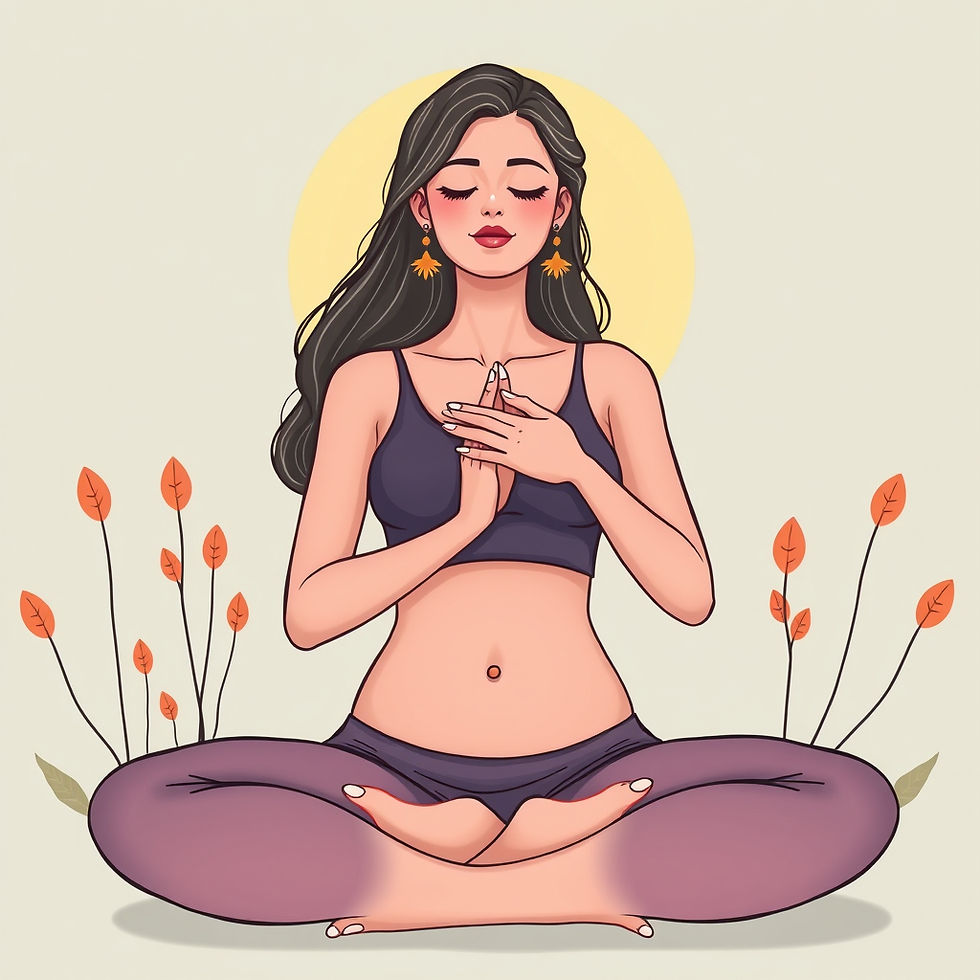
One of the simplest yet most effective nervous system regulation techniques is intentional, conscious breathing. Haley strongly recommends intentional belly breathing to stimulate the vagus nerve.
“Intentionally, doing a breath work, so inhaling, almost like expanding a balloon in your belly and then exhale and like pushing the button of the pause that actually activates and stimulates the vagus nerve, which is the largest nerve in your central system. And that is going to help your body go back to that state of rest and digest [calm].”.
For those wondering 'how do you regulate the nervous system' or 'what helps nervous system regulation,' Haley emphasizes starting with this simple breathing practice. This practice helps the body achieve relaxation and restore a state of calm. It is advisable to take intentional breaks to practice this breathing three or four times daily.
Integrating Somatic Practices and Movement
Connecting with the body through somatic practices is vital for healing a dysregulated nervous system. Intentional, gentle movement helps the body regulate. While acknowledging her bias as an instructor, Haley recommends Yoga, ideally twice a week.
“Yoga is one of the exercises that truly combines the body, the mind, and even sometimes a spiritual element. . . the traditional, intentional form of yoga is a little bit more gentle and intentional, so it truly helps you release and connect to your body.”.
Creating Clear Boundaries to Reset Your Nervous System
Haley stressed that to truly reset your nervous system, intentional boundaries are necessary. This includes setting aside time to be present without external influences like work emails or television. The time periods upon waking and before sleep are especially susceptible to stress. As Haley emphasized, creating clear boundaries during these hours is crucial for calming the nervous system.
Beyond Symptoms: Integrating Hormone Hacking and Estrogen Dominance Treatment
The comprehensive estrogen dominance treatment approach involves both regulating stress and actively supporting hormonal functions through cycle syncing.
Cycle Syncing: Working with Your Hormonal Cycles
Haley introduced the concept of cycle syncing, or hormone hacking as she calls it, which involves planning daily activities around the four distinct phases of the menstrual cycle. She explained that this practice addresses questions like 'what to do about estrogen dominance' and provides a natural estrogen dominance diet approach through nutritional timing. As Haley pointed out, since women's hormones operate on roughly a 28-day cycle (versus men's 24-hour cycle), understanding these fluctuations becomes a form of emotional regulation.
Haley notes that women can align workouts, nutrition, and work based on their cycles:
Workouts: Schedule high-intensity workouts (HIT) when ovulating (due to high testosterone) and low-intensity movement (walks, gentle yoga) during the luteal phase and menstruation.
Nutrition: Tune nutrition by eating more vibrant, raw foods during the follicular/ovulation phase and moving toward warm, grounding foods in the luteal phase.
Emotional Health: Recognizing that feelings are often heightened when hormones are at their lowest (end of luteal/menstruation) is key. Haley advises: “If you're angry at your partner at that time, see if you can give it a couple of days and see how you feel about it in a couple of days. . . before I take any action on any of those feelings, like let myself feel the feels before I take action on those, maybe wait a couple of days”.
Understanding Hormonal Birth Control and the Withdrawal Bleed

A significant component of understanding hormonal health involves clarifying the role of hormonal birth control, which is often mistakenly prescribed as an estrogen dominance treatment or regulator for irregular periods.
Haley emphasizes that synthetic hormones halt the body's natural production, making the body function more similarly to menopause than pregnancy. The bleeding experienced while on the pill is not a true period, but a withdrawal bleed caused by stopping the synthetic hormones (the sugar pills).
Furthermore, the pill often masks underlying symptoms such as hormonal acne or painful periods, which return "with a vengeance" when discontinued because the root cause was never treated. Haley states that taking the pill "does not truly regulate periods; it masks symptoms" because ovulation is stopped.
Conclusion
Haley's approach to women's health emphasizes a holistic view that acknowledges the profound connection between the mind (stress/trauma) and the body (hormones). By recognizing the estrogen dominance symptoms and estrogen dominance signs as indicators of a dysregulated system, Haley's clients apply specific strategies for nervous system regulation treatment. Implementing conscious breathing, integrating somatic practices, and practicing cycle syncing are powerful forms of self-care and effective estrogen dominance treatment. Hopefully, this article has shown you how estrogen dominance and nervous system regulation are related. As Haley advises, great experts can provide knowledge, but only you have the full knowledge of your own body; the goal is to become the CEO of your life and listen intuitively. According to Haley, the path to optimal hormonal health begins when women intentionally manage stress and honor the natural rhythm of our bodies.
Haley's approach helps us understand that body regulation is like sailing a ship: When the winds of stress (cortisol) constantly push the boat too hard, the navigator (progesterone) gets overwhelmed, throwing the whole system (hormones) off balance. Nervous system regulation is the anchor that calms the storm, allowing the body to safely learn what is estrogen dominance and adjust the sails (cycle syncing) to navigate the journey smoothly.


MM88 khiến mình quan tâm đến cách một hành trình được tiếp tục khi điều kiện sử dụng thay đổi. Mình thường tìm hiểu Thể thao trên máy tính rồi chuyển sang điện thoại để khám phá Casino. Trên màn hình lớn, mình có xu hướng quan sát tổng thể trước khi lựa chọn, còn thiết bị nhỏ khiến mình tập trung nhiều hơn vào từng bước. Khi thay đổi nội dung, mình thường xác định các danh mục chính để duy trì hướng tìm kiếm. Qua nhiều lần, mình dần ghi nhớ cấu trúc theo những nhóm nội dung thay vì vị trí từng thành phần. Với mình, thói quen này giúp quá trình khám phá có sự nối tiếp…
we maintain Freedom Calcs, a free Coast FIRE calculator. It lets you explore how your current investments, retirement timeline, spending, and return assumptions affect your savings target. If you’re working through the numbers behind financial independence, it may be a useful starting point. We welcome feedback on the calculations and explanations.
hi88 khiến mình muốn quan sát thêm cách các khu vực liên kết với nhau khi một phiên có nhiều lần thay đổi nội dung. Mình thường bắt đầu từ phần đang quan tâm rồi tiếp tục theo hướng phù hợp với nhu cầu lúc đó. Có lúc mình sử dụng Casino, chuyển sang Đá gà rồi tiếp tục với Thể thao để thay đổi nhịp trải nghiệm. Những danh mục này có cách thể hiện riêng nhưng các mốc trên giao diện vẫn giúp mình nhận biết từng lần chuyển. Khi muốn tìm lại khu vực đầu tiên, mình thường dựa vào menu đã quen để xác định hướng quay lại. Sau vài lần thao tác, mình thấy việc ghi…
qq88 khiến mình muốn đánh giá khả năng tiếp cận thông tin khi nhiều danh mục xuất hiện liên tiếp trên cùng một trang. Mình thường quan sát khoảng cách giữa các khối và cách tiêu đề được sử dụng để xác định ranh giới nội dung. Khi tìm hiểu Thể thao với Esports, mình chú ý đến cách danh sách sự kiện được phân chia. Sau đó, mình chuyển sang Xổ số để xem nội dung Bắc – Trung – Nam rồi tiếp tục với Đá gà. Mình muốn kiểm tra khả năng nhận diện từng khu vực khi cuộn qua nhiều phần. Với mình, bố cục có trật tự cần giúp người dùng tìm lại nội dung đã xem…
qq88 làm mình tò mò về cách các thao tác được duy trì khi chuyển qua nhiều loại trải nghiệm. Mình thường quan sát phản hồi của từng phần để hiểu rõ hơn những điểm khác biệt trong cách sử dụng. Khi vào Bắn cá, mình thử Happy Fishing và chú ý cách tính năng bắn tự động hỗ trợ việc theo dõi các mục tiêu xuất hiện liên tục. Sau đó, mình chuyển sang Nổ hũ để cảm nhận nhịp tương tác khác. Trên điện thoại, các khu vực được thu gọn nên mình tập trung nhiều hơn vào phần đang sử dụng. Với mình, sự kết hợp giữa cách vận hành trò chơi và khả năng thích nghi của…